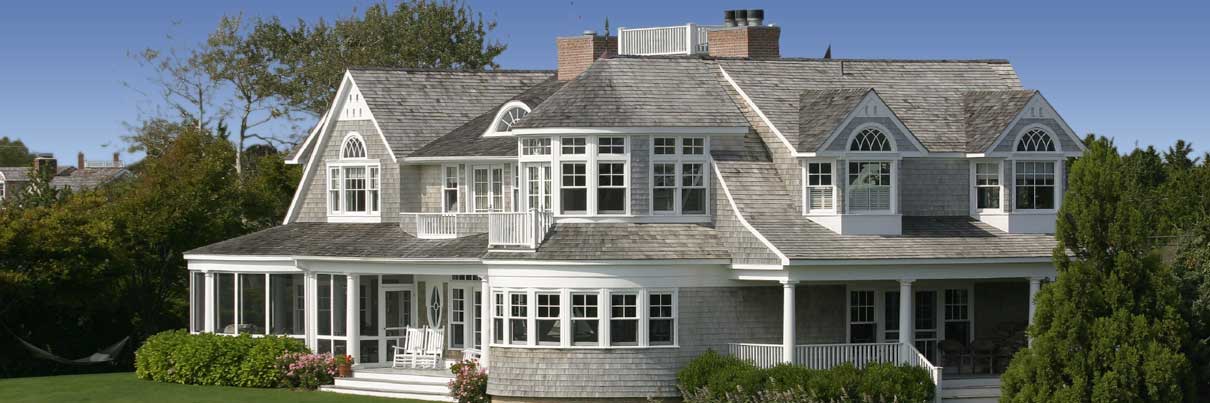
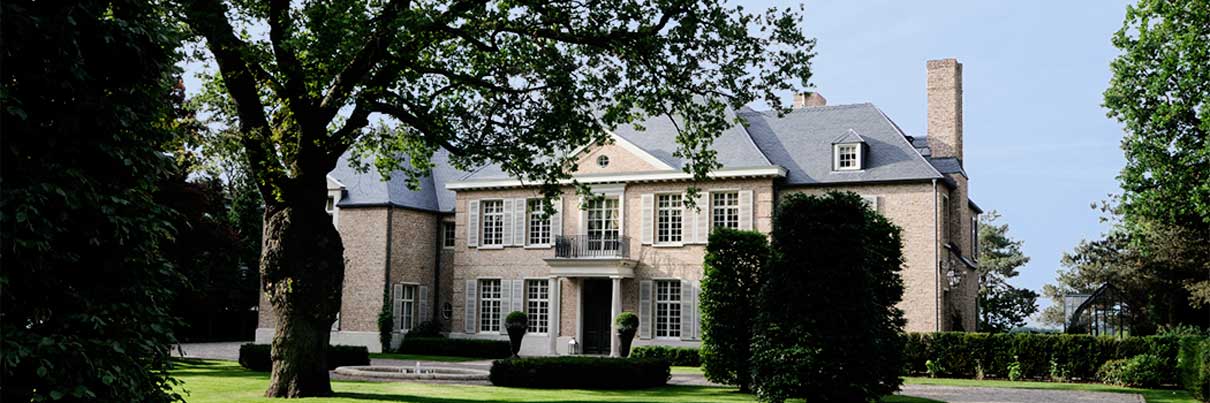
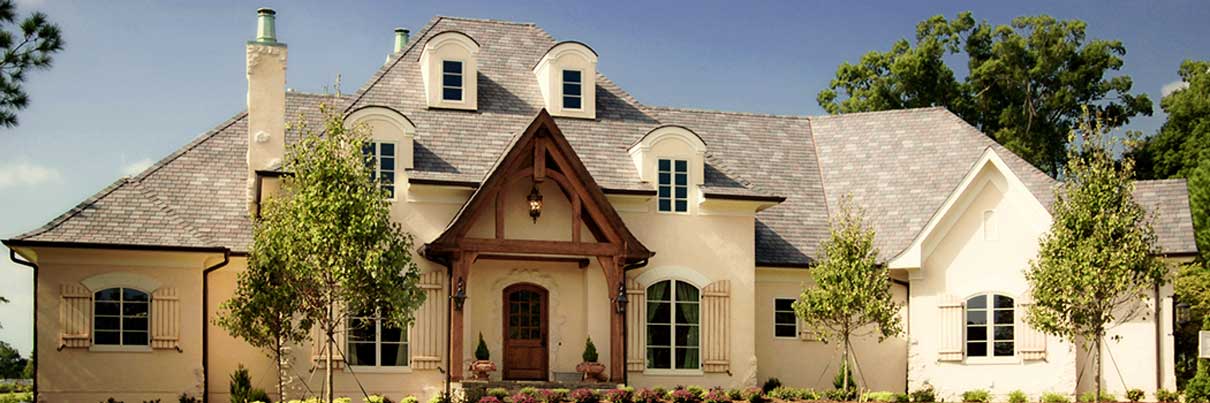


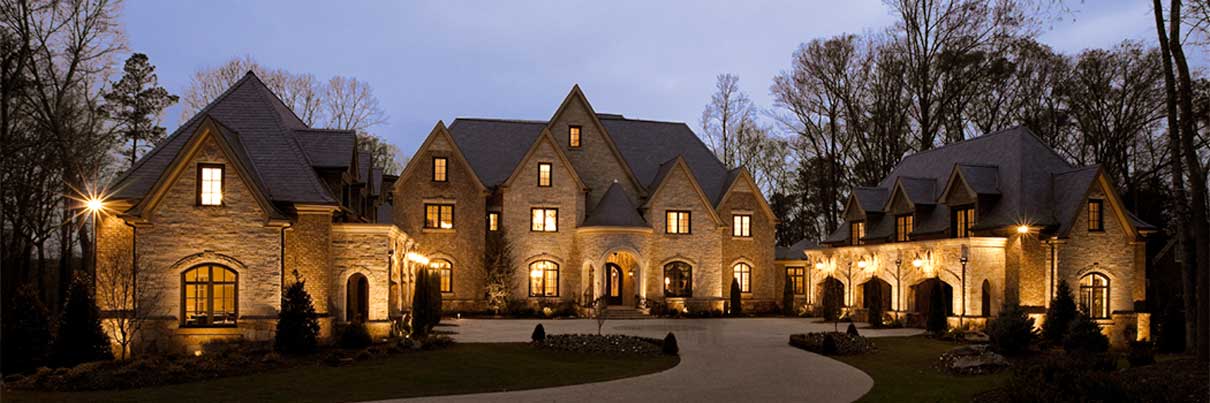

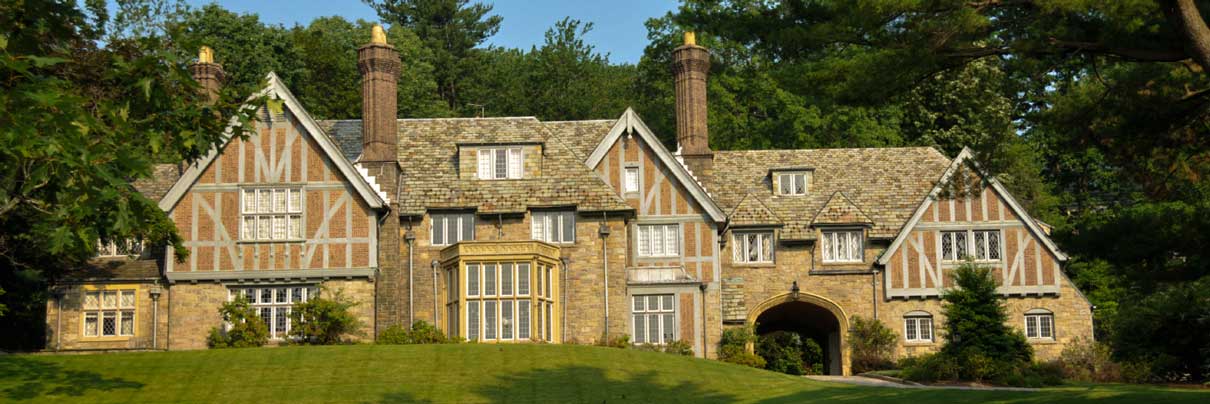
Photos for illustrative purposes
Belle Artae:
Distinctive Mouldings, Doors and Millwork
Belle Artae has provided residential architects and custom builders with fine mouldings, doors and millwork for three decades. Our commitment to design excellence combined with our practical knowledge of construction, satisfies the aesthetic desires of the architect and the technical requirements of the builder.
Architects appreciate our design philosophy which stresses balance, proportion and purity of form, over distracting ornamentation and unnecessary embellishments.
- Beautiful, easy-to-specify designs save you time
- A comprehensive collection of exceptional designs, emphasizing quality over quantity
- Professional CAD files for easy insertion into your drawings
Builders acknowledge that our decades of experience in the field and our expertise in technical matters, means we understand their challenges and can provide solutions to complex problems, while maintaining their customers' creative vision.
- Top craftsmanship and consistent milling makes for easy installation and minimal waste
- Expertly engineered companion pieces solve common installation issues
- Superior performance from our doors means trouble-free ownership and no callbacks